
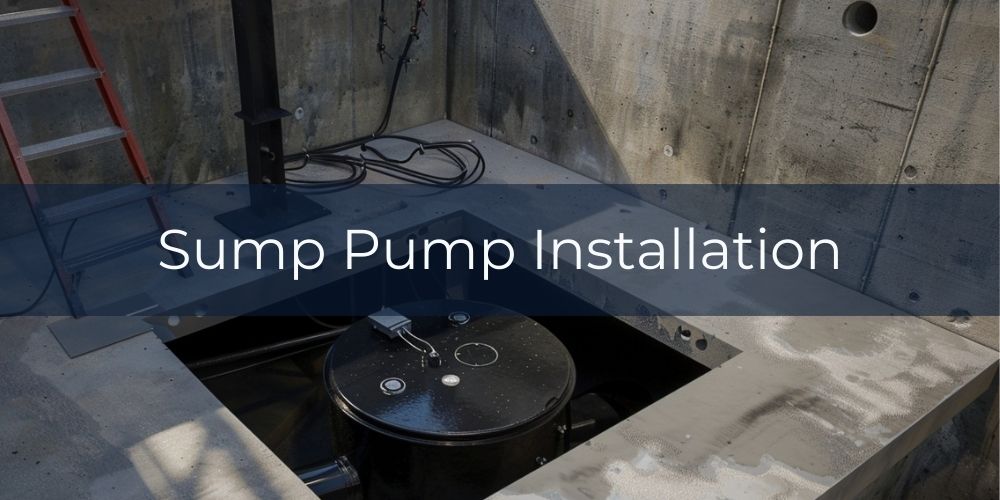
Structural Waterproofing delivers compliance-led sump pump installation design support and installation coordination for UK buildings where basements, cavity drain systems, sump chambers, lift pits, plant rooms, service corridors, retaining-wall drainage zones, and other below-ground water-management interfaces must collect and remove groundwater reliably. As sump pump installation contractors, we support new-build and refurbishment projects across the UK, including commercial buildings, mixed-use developments, hotels, healthcare facilities, education estates, infrastructure-linked structures, and complex occupied assets where sump pump installation must be engineered around real groundwater conditions, inflow volume, chamber geometry, discharge head, power resilience, alarm response, and long-term operational reliability. Sump pump installation is not simply placing one pump in a chamber. It is a coordinated sump pump installation system in which sump chambers, primary pumps, secondary pumps where required, duty-and-standby pump logic, float controls, high-level alarms, non-return valves, discharge pipework, battery backup, control panels, power supply, and maintenance access must work together across the full drainage pathway. Sump pump installation failure is usually driven by undersized pump selection, poor sump chamber configuration, blocked inlets, unreliable float control, weak duty-and-standby sequencing, discharge failure, non-return valve problems, inadequate battery backup, power loss, inaccessible maintenance points, or poor coordination between the sump pump installation system and the wider cavity drain or drainage system. UK below-ground conditions therefore demand more than nominal pump fitting because sump pump installation performance is determined by how the full sump pump installation system receives water, activates at the right level, removes inflow at the required rate, and discharges reliably without allowing surcharge, chamber rise, or flooding within the protected space. Structural Waterproofing provides a complete sump pump installation service, including sump pump installation strategy support, sump chamber coordination, primary and secondary pump installation, battery-backup sump pump coordination, high-level alarm integration, discharge-pipework planning, non-return-valve detailing, remedial sump pump investigation, and phased works for live and constrained sites. Each project is delivered with a focus on drainage continuity, sump chamber readiness, pump reliability, alarm resilience, discharge integrity, power-loss protection, sequencing, and recorded installation scope so the completed sump pump installation system can be understood, verified, and relied upon over the building lifecycle.
What Is Sump Pump Installation?
Sump pump installation is the design, coordination, installation, and verification of pump systems that collect and discharge water from a sump chamber before it can accumulate within a below-ground structure. In UK practice, sump pump installation is the part of below-ground water management concerned specifically with removing collected groundwater or seepage from sump chambers connected to cavity drain systems, drainage channels, lift pits, plant rooms, retaining-wall drainage zones, and other low-level structural areas. A typical sump pump installation system may include a sump chamber, a primary pump, a secondary pump where required, float switches, duty-and-standby sequencing, high-level alarms, battery backup, non-return valves, discharge pipework, access covers, and control panels coordinated into one pumping and discharge arrangement. Sump pump installation fails when the sump chamber is undersized, pump capacity is inadequate, float switches are unreliable, alarm logic is weak, discharge routes are poorly designed, non-return valves fail, battery backup is missing, or maintenance access is obstructed. For that reason, sump pump installation must be engineered around groundwater conditions, inflow rate, sump chamber size, discharge head, pipework route, backup resilience, power-loss risk, alarm response, and maintenance access rather than treated as generic pump fitting. Effective sump pump installation protects the internal environment by converting collected water into a controlled, monitored, and reliable discharge process. Ultimately, sump pump installation turns a water-vulnerable low point into a continuous pumping and discharge system that supports long-term operational and structural moisture control.
Why Is Sump Pump Installation Built for UK Buildings?
Sump pump installation is built for UK buildings because many below-ground structures require collected water to be removed actively rather than left to accumulate within chambers, lift pits, cavity drain systems, plant areas, or drainage zones. UK basements, lower-ground spaces, retaining-wall drainage systems, lift pits, plant rooms, and service corridors commonly present variable groundwater conditions, confined geometry, discharge dependency, refurbishment constraints, and operational risk that make system-level sump pump installation essential in many projects. A sump pump installation system works by receiving water into a sump chamber and activating a pump sequence that discharges collected inflow away from the structure before water levels can rise to a point of failure. Its performance is therefore determined by sump chamber geometry, pump capacity, duty-and-standby logic, float control, high-level alarm response, battery backup, discharge integrity, and maintenance access rather than by the presence of one pump alone. When the sump chamber is poorly configured, the pump duty is undersized, the backup pump is absent, the discharge route is weak, the non-return valve fails, or the power supply is vulnerable, water can rise within the below-ground assembly and compromise the protected environment even where individual pump components appear technically suitable in isolation. Structural Waterproofing therefore builds sump pump installation around real groundwater exposure, sump chamber logic, dual-pump resilience where required, discharge planning, high-level alarm protection, power-failure resilience, sequencing control, and maintainable water removal so the completed system performs predictably across UK below-ground conditions.
This system-level sump pump installation approach connects groundwater assessment, sump chamber configuration, pump selection, duty-and-standby logic, high-level alarm response, discharge planning, battery-backup resilience, construction sequencing, and recorded installation into one coordinated sump pump installation strategy.
- Structural Waterproofing designs sump pump installation scopes around continuous water collection into sump chambers, reliable pump activation, and controlled discharge away from the structure.
- Structural Waterproofing targets high-risk interfaces because chamber inlets, float controls, high-level alarms, duty-and-standby pump sequencing, discharge lines, non-return valves, battery backup, and power connections commonly determine residual sump pump installation risk.
- Structural Waterproofing selects sump pump installation according to groundwater exposure, inflow rate, sump chamber form, discharge head, backup needs, power resilience, and operational demands of the protected space.
- Structural Waterproofing plans delivery around sump chamber preparation, sump pump installation, discharge coordination, electrical integration, testing, and follow-on trades so pump reliability is preserved through construction.
- Structural Waterproofing records sump chamber locations, pump arrangements, alarm settings, battery-backup scope, discharge routes, and control details so the sump pump installation system can be understood and governed after completion.
These sump pump installation decisions produce the following performance and assurance outcomes:
- System-level pump scope control → aligns sump chambers, pumps, float controls, alarms, discharge routes, battery backup, and power supply → sump pump installation continuity is maintained across the full water-removal assembly
- High-risk interface control → protects vulnerable chamber inlets, float switches, high-level alarms, discharge lines, valves, backup systems, and power connections → local sump pump installation failures are reduced before they develop into wider flooding or chamber surcharge risk
- Appropriate pump selection → matches the sump pump installation system to groundwater conditions, inflow volume, sump chamber type, discharge head, and backup demand → sump pump installation performance is aligned to real site conditions
- Sequencing and testing control → preserve sump chamber readiness, pump activation, alarm response, discharge reliability, and backup switching through installation → sump pump installation integrity is preserved during construction
- Recorded installation scope and control information → show how water enters, is pumped, and is discharged, and how backup protection operates → sump pump installation can be reviewed, maintained, and relied upon over the building lifecycle
The sump pump installation delivery process below expands these decisions in the same sequence, from water-collection logic and interface risk through pump selection, discharge coordination, and long-term operational reliability.
1. System-Level Scope Control Around Full Sump Pump Installation Continuity
Structural Waterproofing engineers sump pump installation as a complete sump pump installation system rather than as isolated pump placement within a chamber. Sump pump installation performance is not determined by whether a pump exists somewhere at the lowest point of a structure. It is determined by whether water is collected, sensed, pumped, and discharged continuously across the full sump pump installation assembly, including sump chamber inlets, primary pumps, secondary pumps where required, float controls, high-level alarms, battery backup, discharge routes, non-return valves, and access points, without leaving weak links where water can rise uncontrolled. A basement can contain technically suitable pumps and still fail if the overall scope has not resolved how drainage channels connect to the sump chamber, how the sump chamber activates the pumps, how the duty-and-standby sequence operates, how the discharge route leaves the structure, or how the system behaves under peak inflow or power failure. For that reason, sump pump installation scope must be defined against real groundwater conditions, actual inflow risk, discharge geometry, sump chamber form, and the exact locations where reliability is most likely to break. Structural Waterproofing therefore sets sump pump installation scope around assembly-wide pumping continuity so sump chambers, pumps, controls, alarms, discharge lines, backup systems, and power resilience work as one coordinated water-removal system rather than as isolated fitted components.
2. High-Risk Interface Control at Chamber Inlets, Float Controls, Alarms, Discharge Lines, Valves, and Power Connections
Residual sump pump installation risk is concentrated at interfaces because interfaces are where pumping continuity is easiest to lose. Sump chamber inlets, float switch positions, pump-set levels, high-level alarms, discharge pipe connections, non-return valves, battery-backup changeover points, and power supplies all create conditions where water removal can fail if detailing is incomplete or incompatible. These locations combine geometry change, variable inflow, electrical dependence, multiple trades, sequencing pressure, and local vulnerability during construction, which is why they so often determine actual performance in a completed sump pump installation. Water does not need total system failure to cause disruption. It only needs one blocked sump chamber inlet, one unreliable float switch, one failed high-level alarm, one weak discharge joint, one defective non-return valve, or one vulnerable power connection at a critical interface. Structural Waterproofing therefore treats chamber-level, control-level, and discharge-level interface coordination as central to sump pump installation performance, coordinating local details so the wider pumping strategy is not undermined by unresolved junction conditions.
3. Sump Pump Installation Selection Aligned to Groundwater Exposure, Sump Chamber Form, and Discharge Conditions
A sump pump installation system must be selected according to how water is expected to enter the sump chamber, how the sump chamber is formed, and how the completed building depends on below-ground water removal in use. Some systems require straightforward primary sump pump installation serving moderate inflow into a standard sump chamber and discharge route. Others require dual-pump arrangements, battery-backup sump pumps, higher alarm resilience, greater discharge head capacity, larger chambers, or more complex duty-and-standby logic where groundwater exposure, operational consequence, or inflow variability is more demanding. The right sump pump installation system is therefore not decided by pump presence alone. It is determined by groundwater exposure, inflow rate, sump chamber size, discharge height, pipework length, backup needs, power resilience, alarm requirements, maintenance access, and the consequences of failure within the protected space. Structural Waterproofing aligns sump pump installation selection to those real conditions so the chosen system is technically defensible, buildable, maintainable, and suited to the actual demands of the below-ground environment.
4. Sequencing, Preparation, Testing, and Protection of Completed Sump Pump Installation
Sump pump installation integrity can be lost during delivery even where the underlying design intent is technically correct, because below-ground pumping systems are highly sensitive to the order in which sump chambers are formed, pumps are installed, controls are set, alarms are tested, discharge routes are connected, and completed work is protected during surrounding construction. Sump chamber preparation, access limitations, temporary conditions, electrical coordination, discharge-pipework installation, testing, and follow-on trades all affect whether sump pump installation reliability survives into the completed structure. A pump can be technically suitable and still fail as part of the wider sump pump installation system if the sump chamber is not prepared correctly, if discharge routes are introduced without proper coordination, if alarms are not tested, or if completed components are damaged before handover. Sequencing is therefore not separate from sump pump installation performance. It is one of the conditions that determines whether the specified system becomes a functioning water-removal assembly or a compromised one. Structural Waterproofing coordinates sump chamber readiness, installation order, temporary protection, discharge integration, electrical setup, system testing, and trade interfaces so sump pump installation continuity is preserved through construction rather than assumed to survive it.
5. Low-Point Vulnerability, Pump Failure Risk, Power-Failure Risk, and Long-Term Sump Pump Installation Reliability
A sump pump installation system is only reliable if its pumping and discharge components remain operational once the below-ground structure is complete and in use, because sump chambers and pump assemblies sit at some of the most water-sensitive and disruption-prone points in the building. Pumps, float controls, high-level alarms, battery backup, non-return valves, discharge routes, and sump chamber access points must therefore be delivered as a durable sump pump installation system rather than as temporary construction-stage components with no dependable route for later understanding or control. If critical settings are unrecorded, if discharge defects remain concealed, if the backup pump is absent, if power-failure resilience is ignored, or if maintenance access is obstructed after completion, reliability can deteriorate long after installation even where the original work appeared sound. Pump failure, discharge failure, or power failure at a sump chamber can create basement flooding, chamber surcharge, drainage backup, operational disruption, alarm dependency, and serious difficulty at the lowest point of the protected structure even where surrounding areas appear stable. Long-term performance therefore depends on low-point vulnerability, pump failure risk, discharge failure risk, and power-failure risk being controlled from the outset, not reconstructed after failure. Structural Waterproofing coordinates sump pump installation so the completed sump chamber assembly remains coherent, critical control details remain understandable, and the installed sump pump installation system can be reviewed, maintained, and relied upon over the building lifecycle.
Where Is Sump Pump Installation Used in Commercial Buildings?
Sump pump installation is used in commercial buildings wherever collected groundwater, seepage, or drainage-channel inflow must be removed actively from a sump chamber before water can rise within the protected structure. In UK commercial buildings, sump pump installation is most commonly used in basement sump chambers, cavity drain system sump chambers, lift pits, plant rooms, service corridors, retaining-wall drainage zones, lower-ground storage areas, and other below-ground low points where groundwater, drained seepage, or chambered inflow must be collected and discharged reliably. Sump pump installation is not defined by whether a pump exists somewhere in a chamber. It is defined by whether the sump pump installation system remains continuous across the full water-removal pathway and protects the exact locations where water is most likely to accumulate, surcharge, or back up into the building. Where a commercial structure contains a below-ground sump chamber, a cavity drain system discharge point, a lift pit low point, a plant-room drainage dependency, or any drainage zone where collected water must be pumped away rather than left to accumulate, sump pump installation becomes a system requirement rather than a local accessory. By applying sump pump installation to the sump chambers, low points, and governing discharge interfaces that determine dry below-ground performance, Structural Waterproofing delivers sump pump installation aligned to real UK commercial building conditions.
- Structural Waterproofing applies sump pump installation to basement sump chambers where collected groundwater and drained seepage must be discharged before water levels rise within commercial below-ground space.
- Structural Waterproofing applies sump pump installation to cavity drain system sump chambers where perimeter drainage channels and drained protection systems depend on active water removal from the chamber.
- Structural Waterproofing applies sump pump installation to lift pits, plant rooms, and service corridors where low-point vulnerability, confined geometry, and operational sensitivity increase the consequences of pump failure.
- Structural Waterproofing applies sump pump installation to retaining-wall drainage zones, lower-ground storage areas, and other below-ground collection points where groundwater or seepage is directed into a chambered discharge system.
- Structural Waterproofing applies sump pump installation at chamber inlets, pump duty positions, discharge lines, non-return valves, alarms, and backup systems where local discontinuity can undermine the wider sump pump installation system.
These commercial sump pump installation locations produce the following performance and assurance requirements across UK buildings:
- Basement sump chambers → require reliable water removal from collected below-ground inflow → sump pump installation protects commercial basement environments from water rise and flooding
- Cavity drain system sump chambers → receive drained seepage from perimeter channels and Type C systems → sump pump installation protects drained protection systems by removing collected water from the chamber
- Lift pits, plant rooms, and service corridors → combine low-point vulnerability, confined access, and operational sensitivity → sump pump installation protects the most disruption-prone below-ground service areas from chamber surcharge and flooding
- Retaining-wall drainage zones, lower-ground storage areas, and collection points → concentrate seepage and chambered inflow at buried low levels → sump pump installation preserves active discharge where passive drainage alone is not sufficient
- Chamber inlets, discharge lines, alarms, valves, and backup systems → create the points where sump pump installation most commonly succeeds or fails → sump pump installation preserves performance where local failure would compromise the wider water-removal assembly
The commercial sump pump installation locations below expand these decisions in the same sequence, from basement and cavity-drain applications through low-point service areas, drainage zones, and continuity-critical discharge interfaces.
1. Sump Pump Installation in Basement Sump Chambers
Basement sump chambers use sump pump installation where collected groundwater, drained seepage, or below-ground inflow must be discharged before water can rise into the commercial basement environment. These sump chambers commonly sit at low points within the basement drainage layout and depend on reliable pump duty, float activation, alarm response, and discharge continuity so water does not accumulate within the chamber and surcharge back into the protected space. In these locations, sump pump installation performance is determined by whether the full sump pump installation system is coordinated rather than whether one pump has been placed in one chamber. Structural Waterproofing therefore applies sump pump installation where basement performance depends on a dry and dependable water-removal system at the lowest point of the below-ground assembly.
2. Sump Pump Installation in Cavity Drain System Sump Chambers
Cavity drain system sump chambers use sump pump installation because Type C drained protection depends on collected water being removed actively from the chamber once seepage has been directed into the drainage pathway. These sump chambers often receive water from perimeter channels, wall-base drainage runs, floor drainage layers, and other drained protection interfaces that are designed to move seepage into one controlled collection point. In these conditions, sump pump installation becomes part of the working logic of the cavity drain system itself rather than a separate add-on. If water enters the chamber but is not discharged reliably, the drained protection strategy loses functional integrity. Structural Waterproofing therefore applies sump pump installation where cavity drain systems depend on active chamber discharge to preserve the wider below-ground water-management route.
3. Sump Pump Installation in Lift Pits, Plant Rooms, and Service Corridors
Lift pits, plant rooms, and service corridors use sump pump installation because these below-ground areas combine low-point vulnerability, confined geometry, service concentration, and operational sensitivity within one water-dependent condition. These spaces often carry a higher consequence of local flooding because pump failure, chamber surcharge, or delayed discharge can disrupt access, equipment reliability, lift performance, or essential building operations. Even limited water accumulation in these areas can create maintenance burden and service interruption disproportionate to the size of the affected chamber. Structural Waterproofing therefore applies sump pump installation where lift pits, plant rooms, and service corridors require active and dependable chamber discharge under more demanding operational conditions.
4. Sump Pump Installation in Retaining-Wall Drainage Zones, Lower-Ground Storage Areas, and Other Collection Points
Retaining-wall drainage zones, lower-ground storage areas, and other below-ground collection points use sump pump installation because these areas often concentrate groundwater or seepage into chambered low points where passive drainage alone is not sufficient. Water may be directed from retaining-wall drainage paths, buried perimeter collection runs, lower-ground floor zones, or local seepage-control measures into a sump chamber that then depends on pump discharge to maintain dry performance within the surrounding structure. In these locations, sump pump installation protects the collected-water stage of the drainage strategy rather than the wall or slab surface itself. Structural Waterproofing therefore applies sump pump installation where chambered low points require active discharge to prevent water rise within the below-ground structure.
5. Sump Pump Installation at Chamber Inlets, Pump Positions, Discharge Lines, Valves, Alarms, and Backup Systems
Chamber inlets, pump duty positions, discharge lines, non-return valves, alarms, and backup systems use sump pump installation because these are the locations where sump pump installation most commonly succeeds or fails. A sump pump installation system is often undermined not by the existence of the chamber itself, but by local discontinuity where inflow enters poorly, pumps are positioned badly, discharge routes fail, non-return valves do not protect the line, alarms do not trigger correctly, or backup systems do not respond during power loss. These chamber-level and discharge-level interfaces require focused coordination because one weak inlet, one failed valve, one poor discharge connection, or one missing backup measure can compromise the wider sump pump installation system. Structural Waterproofing therefore applies sump pump installation at these continuity-critical water-removal interfaces where local failure would bypass, disable, or destabilise the wider sump chamber and discharge assembly.
Have a question about an upcoming project?
What Does Sump Pump Installation Require to Perform Properly in Commercial Buildings?
Sump pump installation in commercial buildings depends on one governing condition above all others: the sump pump installation system must collect water reliably in the sump chamber, activate the correct pump at the correct level, and discharge water from the structure before levels can rise to a point of surcharge, backup, or flooding. In UK commercial buildings, sump pump installation performance is determined by whether groundwater conditions are understood correctly, whether the sump chamber is configured properly, whether the primary pump and secondary pump where required are matched to real inflow and discharge head, whether duty-and-standby pump logic is reliable, whether float controls and high-level alarms respond correctly, whether non-return valves and discharge pipework perform as intended, and whether battery backup or other power-loss resilience is in place where the consequence of pump failure is higher. A sump pump installation system is not made reliable by having a pump somewhere in a chamber. It is made reliable by receiving water into a correctly formed sump chamber, activating the correct primary pump or secondary pump sequence at the correct level, maintaining discharge continuity under live conditions, and continuing to protect the structure during peak inflow, alarm events, pump failure, discharge failure, or power interruption. Commercial below-ground spaces place different demands on that pumping system because a basement sump chamber, a cavity drain system sump chamber, a lift pit chamber, and a plant-room drainage chamber do not carry the same inflow profile, discharge risk, resilience requirement, or operational consequence of failure. Where inflow is higher, discharge routes are longer, sump chamber geometry is more constrained, or the consequence of flooding is greater, sump pump installation must be selected and executed with tighter control. Sump pump installation therefore performs properly only when sump chamber readiness, primary pump duty, secondary pump reliability, duty-and-standby sequencing, high-level alarm response, discharge integrity, battery backup, maintenance access, and long-term low-point reliability are all controlled as one coordinated sump pump installation strategy.
- Structural Waterproofing matches sump pump installation to actual groundwater exposure, inflow rate, sump chamber geometry, discharge head, and the operational demands of the protected space.
- Structural Waterproofing maintains one continuous sump pump installation system across sump chamber inlets, primary pumps, secondary pumps where required, float controls, high-level alarms, discharge lines, non-return valves, battery backup, and power supply so the water-removal pathway does not fail at its most vulnerable points.
- Structural Waterproofing treats sump chamber configuration, primary pump duty, secondary pump backup, duty-and-standby sequencing, float activation levels, non-return valve performance, and discharge pipework continuity as governing sump pump installation details rather than secondary local components.
- Structural Waterproofing protects completed sump pump installation during surrounding works and coordinates testing and commissioning so the sump pump installation system is not weakened before the below-ground structure enters service.
- Structural Waterproofing records the sump chamber arrangement, pump sequence, alarm settings, discharge route, and battery-backup scope so the completed sump pump installation system remains intelligible after construction is complete.
These sump pump installation requirements produce the following performance outcomes:
- Groundwater-led system selection → matches the sump pump installation system to real sump chamber inflow, discharge conditions, and building risk → sump pump installation performance is aligned to actual below-ground water-removal demand
- Continuous sump chamber and discharge logic → connects chamber inlets, primary pump duty, secondary pump backup, controls, alarms, valves, and discharge routes into one water-removal assembly → water is removed without uncontrolled chamber rise, surcharge, or backup
- High-risk control and response detailing → protects float activation, alarm response, duty-and-standby sequencing, discharge continuity, and valve performance → local sump pump installation failure is reduced before it develops into wider flooding or system disruption
- Testing, commissioning, and protection of completed installation → preserve pump activation, battery-backup response, alarm reliability, and discharge integrity through installation and handover → sump pump installation survives the construction process intact
- Recorded sump pump installation scope → shows how the sump chamber, pumps, alarms, backup systems, and discharge routes were formed and coordinated → sump pump installation remains reviewable, maintainable, and governable after completion
The commercial sump pump installation requirements below expand those same dependencies in the same sequence, from groundwater exposure and sump chamber configuration through pump sequence, discharge reliability, backup resilience, and long-term operational performance.
1. Groundwater Exposure, Inflow Rate, and Sump Pump Installation Selection
Sump pump installation must be selected against actual groundwater exposure and real inflow conditions, not assumed low-point moisture risk. Different commercial sump chambers present different inflow volumes, seepage rates, peak-water scenarios, discharge heights, and operational consequences of failure. A basement sump chamber, a cavity drain system sump chamber, a lift pit chamber, and a plant-room drainage chamber may all require sump pump installation, but they do not place the same demand on primary pump size, secondary pump backup, battery-backup provision, or high-level alarm resilience. The first requirement for proper performance is therefore that the sump pump installation system corresponds to the real water condition and the actual demands of the below-ground chamber. If the wrong sump pump installation approach is chosen at the outset, later detailing, backup measures, and alarm upgrades are only compensating for a system that was misjudged from the start.
2. Sump Chamber Configuration, Primary Pump Duty, Secondary Pump Reliability, and Duty-and-Standby Logic
Sump pump installation only performs properly when the sump chamber and the pump arrangement are configured as one coordinated system. That means the sump chamber must receive water effectively, the primary pump must handle normal duty, and the secondary pump where required must support resilience under higher inflow, primary pump failure, or alarm conditions. Duty-and-standby pump logic must also switch correctly so the sump pump installation system does not rely on one pump beyond the point at which backup duty is needed. Local misconfiguration is enough to break performance. A poor sump chamber layout, an undersized primary pump, an incorrectly sequenced secondary pump, or weak duty-and-standby logic can allow water to rise within the chamber even where individual pump components appear technically suitable. Proper sump pump installation performance therefore depends on sump chamber geometry, primary pump duty, secondary pump reliability, and duty-and-standby sequencing being resolved together rather than treated as separate choices.
3. Float Controls, High-Level Alarms, Non-Return Valves, and Discharge Continuity at Governing Sump Pump Installation Details
Sump pump installation most often fails at control points and discharge details rather than at the concept of pumping itself. Float switches, high-level alarms, non-return valves, discharge-pipe connections, sump chamber inlets, and control settings are the locations where sump pump installation continuity is easiest to lose and hardest to recover once the system is in service. These details govern performance because one unreliable float switch, one failed high-level alarm, one defective non-return valve, or one weak discharge connection can compromise the wider sump pump installation system. If the control point fails, the pump may not start. If the valve fails, discharged water may return. If the discharge connection fails, chamber water may rise despite pump operation. Proper sump pump installation performance therefore depends on these governing interfaces being detailed as primary parts of the system rather than treated as minor accessories attached to the pumps.
4. Power Supply, Battery Backup, Testing, Commissioning, and Protection of Completed Sump Pump Installation
Sump pump installation can be correctly selected and still fail if the power supply is vulnerable, the battery-backup sump pump arrangement is inadequate, the sump pump installation system is not tested properly, or the completed installation is damaged during surrounding works. Sump pump installation is especially exposed to failure where power interruption coincides with groundwater inflow or where high-level alarm response depends on battery-backup resilience that was never coordinated correctly. At the same time, confined access, temporary works, electrical installation, discharge-pipework integration, and follow-on trades can all interfere with completed sump pump installation before the sump chamber enters service. If the power supply is weak, if the battery backup does not support the required response, if the sump pump installation system is not commissioned under realistic operating conditions, or if completed components are punctured, displaced, or disturbed during later work, the sump pump installation system may already be compromised before operation begins. Proper sump pump installation therefore depends on power resilience, battery-backup protection, testing, commissioning, and protection of completed work through the construction sequence.
5. Low-Point Reliability, Pump Failure Risk, Discharge Failure Risk, Power-Failure Risk, and Long-Term Sump Pump Installation Performance
Sump pump installation is only truly reliable if the system remains operational after the below-ground structure is complete and the sump chamber is performing at one of the lowest and most water-sensitive points in the building. Once the sump chamber is in use, pump failure, discharge failure, or power failure can create basement flooding, chamber surcharge, cavity drain backup, operational disruption, alarm dependency, and serious maintenance burden around one of the most critical low-point service zones in the structure. Long-term performance therefore depends on the sump pump installation system having been formed correctly, tested properly, protected during construction, and recorded clearly enough that critical sump chamber details, primary pump duty, secondary pump backup, high-level alarm response, and discharge routes remain understandable later. If concealed discharge defects remain, if the battery-backup sump pump arrangement is inadequate, if later works interfere with the sump chamber, or if maintenance access is obstructed after completion, reliability can deteriorate long after installation even where the original work appeared sound. Proper sump pump installation performance therefore depends on low-point reliability, pump failure resilience, discharge continuity, and power-loss protection being built into the system from the start, not reconstructed after failure.
How Is Sump Pump Installation Priced for Commercial Buildings?
Sump pump installation pricing for commercial buildings is determined by the real technical demands of forming and preserving a reliable sump pump installation system across the full water-removal pathway, not by pump supply alone. In UK commercial buildings, the cost of sump pump installation is shaped by groundwater exposure, inflow volume, sump chamber size, sump chamber depth, primary pump capacity, secondary pump provision, duty-and-standby pump logic, high-level alarm integration, battery-backup sump pump resilience, discharge head, discharge pipework length, non-return valve detailing, electrical integration, testing, commissioning, maintenance access, and the level of control needed to prevent chamber surcharge, flooding, or discharge failure at the lowest point of the structure. A commercial sump pump installation with a straightforward sump chamber, short discharge run, moderate inflow, and simple access will not carry the same sump pump installation cost profile as a sump pump installation system with high groundwater exposure, longer discharge head, dual-pump duty, battery backup, alarm integration, restricted chamber access, and higher operational consequence if the pumps fail. Sump pump installation pricing therefore reflects how much technical control, chamber coordination, pump sequencing, discharge detailing, backup resilience, electrical integration, and recorded installation scope are required to deliver a sump pump installation system that remains reliable once the below-ground structure is complete and operating. Where inflow is greater, discharge conditions are harder, sump chamber geometry is more constrained, or the risk of flooding is higher, sump pump installation pricing becomes more dependent on continuity-critical execution, backup resilience, and commissioning than on pump cost alone. By aligning cost to actual sump chamber form, pump duty, discharge demand, alarm logic, and power-failure resilience, Structural Waterproofing prices sump pump installation against the real work required to prepare, install, test, protect, and preserve the sump pump installation system over the long term.
- Structural Waterproofing prices sump pump installation against groundwater exposure, inflow volume, and the severity of water-removal risk acting on the sump chamber.
- Structural Waterproofing prices sump pump installation against sump chamber form, including chamber size, chamber depth, inlet configuration, primary pump duty, secondary pump backup, and the number of continuity-critical control points between them.
- Structural Waterproofing prices sump pump installation against duty-and-standby sequencing, high-level alarm integration, battery-backup sump pump provision, discharge-pipework routing, discharge head, and non-return valve detailing where sump pump installation is most likely to succeed or fail.
- Structural Waterproofing prices sump pump installation against electrical coordination, testing, commissioning, maintenance access, and the risk of damage or incomplete setup before the sump pump installation system enters service.
- Structural Waterproofing prices sump pump installation against remedial complexity, confined chamber access, discharge-route constraints, and the level of recorded installation scope needed where later repair, maintenance, or replacement may be disruptive and expensive.
These commercial sump pump installation cost drivers produce the following pricing and delivery outcomes:
- Groundwater exposure and chamber inflow demand → increase the level of pump capacity, backup resilience, and discharge control required → sump pump installation cost rises with the severity of below-ground water-removal risk
- Sump chamber geometry and pump arrangement complexity → increase the difficulty of configuring the sump pump installation system correctly → sump pump installation pricing reflects how continuity must be carried across the full sump chamber assembly
- Dual-pump logic, alarms, battery backup, discharge routes, and governing control details → increase labour, coordination, and commissioning precision at the most vulnerable parts of the sump pump installation system → sump pump installation cost rises where reliability is harder to secure
- Electrical integration, testing, commissioning, and maintenance access → determine how much work is required to install and verify the sump pump installation system in live conditions → sump pump installation pricing rises where completed system reliability is harder to prove before handover
- Remedial uncertainty, chamber access constraints, and long-term failure consequences → affect productivity, planning, and lifecycle accountability → sump pump installation cost rises where later disruption from pump failure, discharge failure, or power failure would be greater
The commercial sump pump installation pricing logic below expands these drivers in the same sequence, from inflow exposure and sump chamber complexity through pump sequencing, discharge conditions, commissioning, and long-term operational risk.
1. Groundwater Exposure and Inflow Volume Drive Sump Pump Installation Cost
Commercial sump pump installation pricing begins with groundwater exposure and inflow demand because below-ground water conditions are not uniform across basements, cavity drain systems, lift pits, plant rooms, service corridors, and retaining-wall drainage zones. A commercial sump chamber may be subject to persistent groundwater collection, variable seepage rates, peak inflow events, cavity-drain discharge loads, and low-point water accumulation that place greater demand on the sump pump installation system. As inflow rises, the sump pump installation usually requires more robust primary pump duty, more reliable secondary pump backup, stronger alarm resilience, and tighter discharge planning. Sump pump installation cost therefore rises where groundwater exposure is higher, chamber inflow is more persistent, or the consequence of water rise at the sump chamber is more severe for building operation.
2. Sump Chamber Geometry and Pump Arrangement Change the Pricing Model
Commercial sump pump installation pricing is strongly influenced by sump chamber geometry because pump continuity becomes harder to maintain where the sump chamber is deeper, tighter, more constrained, or more complex in inlet and pump layout. A straightforward sump chamber with one clear duty condition does not create the same cost profile as a sump chamber containing more demanding depth, tighter access, multiple inflow points, more complex primary and secondary pump arrangement, or more exact float-control positioning. The more the sump chamber changes in form, access, detail condition, or control complexity, the more technical coordination is needed to carry sump pump installation safely through the assembly. Sump pump installation pricing therefore reflects not only what pumps are supplied, but how the sump chamber and pump arrangement must be configured without compromising long-term reliability.
3. Primary Pump Duty, Secondary Pump Backup, Alarm Logic, and Discharge Detailing Increase Sump Pump Installation Cost
Commercial sump pump installation pricing rises where the number of continuity-critical pump and control details increases because sump pump installation is more labour-intensive at duty-and-standby logic points, alarm integrations, discharge routes, and valve interfaces than around the pump units alone. Primary pump sizing, secondary pump backup, float controls, high-level alarm response, battery-backup provision, discharge-pipe connections, non-return valves, and discharge-head conditions all require slower and more exact work than simple pump placement in the sump chamber. These locations demand more detailing precision because one undersized primary pump, one weak secondary pump arrangement, one failed high-level alarm, or one poor discharge connection can compromise the wider sump pump installation system. Sump pump installation cost therefore increases where the density of governing control and discharge interfaces creates more opportunities for local failure and more need for exact execution.
4. Electrical Integration, Testing, Commissioning, and Maintenance Access Increase Delivery Cost
Commercial sump pump installation pricing also rises where more work is needed to coordinate electrical supply, integrate alarms and battery backup, test the sump pump installation system, and preserve proper maintenance access before the structure enters service. Sump pump installation is not complete when the pump is placed in the chamber. The sump pump installation system must also be wired correctly, connected to the discharge route, tested under realistic conditions, commissioned so the duty-and-standby logic responds correctly, and left with usable access for inspection and maintenance. If electrical coordination is weak, if the battery backup is not set correctly, if the high-level alarm is not verified, or if maintenance access is obstructed, the sump pump installation system may already be compromised before operation begins. Sump pump installation cost therefore rises where electrical integration, commissioning, alarm testing, and maintenance planning are more demanding.
5. Remedial Complexity, Confined Chamber Access, and Long-Term Operational Risk Affect Pricing
Commercial sump pump installation pricing is further shaped by how difficult the sump chamber is to investigate, access, sequence, and verify on the live project, especially where remedial work is involved. Existing flooding, failed pumps, poor historic sump pump installation, undocumented discharge routes, restricted chamber access, or unresolved alarm and backup issues can make sump pump installation more technically demanding and more disruptive to execute. Pricing also rises where recorded installation scope, pump sequencing records, alarm settings, discharge-route mapping, and battery-backup details are needed because later repair, maintenance, or replacement inside an operating sump chamber may be difficult, disruptive, and expensive. Sump pump installation cost therefore reflects not only materials and labour, but also the level of control required to install, test, protect, and document a sump pump installation system that must continue performing at one of the lowest and most water-sensitive points in the building.
When Does a Commercial Building Need Sump Pump Installation?
If a commercial building has confirmed or suspected groundwater inflow into a sump chamber, recurring water rise at a below-ground low point, cavity drain systems that depend on active discharge, lift pits or plant rooms exposed to chamber surcharge risk, high groundwater conditions, variable seasonal inflow, unreliable discharge performance, missing backup pump resilience, weak battery-backup protection, failed high-level alarm response, power-loss vulnerability, or any doubt about whether collected water can be removed reliably from the structure, sump pump installation should be assessed before flooding, drainage backup, operational disruption, and long-term below-ground risk become embedded into the building. Sump pump risk is rarely defined by visible flooding alone because the most serious failures often begin at the sump chamber, the discharge route, the float-control point, the battery-backup system, or the high-level alarm arrangement before water is seen openly in the protected space. Basement sump chambers, cavity drain system discharge points, lift pits, plant rooms, service corridors, retaining-wall drainage zones, and other low-level collection points often determine whether sump pump installation performs as intended under real UK groundwater and operational conditions. On new-build projects, delayed action increases the risk that sump chamber undersizing, poor pump selection, weak duty-and-standby logic, inadequate discharge planning, alarm deficiencies, and power-loss vulnerability will be built into the structure before the below-ground assembly enters service. On refurbishment projects, delayed assessment increases the risk that failed existing sump pump installation, undocumented discharge routes, chamber defects, missing backup systems, and unresolved low-point inflow conditions will continue to undermine the building without a coherent pumping strategy. Sump pump installation should therefore be assessed as a complete sump pump installation system using evidence-led review of groundwater exposure, inflow rate, sump chamber geometry, primary pump duty, secondary pump backup, high-level alarm response, battery-backup resilience, discharge route integrity, maintenance access, and the operational consequence of pump failure at the lowest point of the structure. This allows chamber flooding risk, water-removal weakness, and pump-system failure to be understood as sump pump installation problems rather than isolated leaks or repeat local drainage issues. Where required, the next technically correct step may be sump pump installation review, sump chamber investigation, discharge-route assessment, battery-backup and alarm review, remedial sump pump replacement, or a coordinated sump pump installation strategy for wider commercial control. If your commercial building has a failing sump chamber, recurring water rise, cavity drain discharge dependency, lift pit flood risk, plant-room low-point vulnerability, backup pump uncertainty, missing high-level alarm protection, or any doubt about whether collected water can be removed reliably, request a sump pump installation assessment or project scope review to determine the correct pumping pathway for the structure.